

Here to shame limits.

Case studies
Case studies

From quality of education to quality of communication

From quality of education to quality of communication - a strategy that brings order to the message and changes how parents choose a school.

SCOPE OF WORK

  • Performance strategy
  • Analysis of the market, trends and competitor communication

  • Sharpening the business and communication goals

  • Defining the brand’s positioning and key advantages

  • Developing the Big Idea and the core communication narrative

  • Designing the content system and tone of voice principles

  • Recommendations on visual consistency and rollout direction

In a competitive education market, quality alone stops being a differentiator. Parents compare, analyse and expect transparency – they want to see the process, not just hear a claim.

Montessori Dreams is a school with strong pedagogical foundations. What it needed, though, was a communication strategy to bring order to its message, strengthen its positioning and show clearly what sets it apart from other options on the market.

This project was not about changing the offer. It was about changing the way it is told.

Key project goals and challenges

  • Increasing enrolment in the nursery and kindergarten,

  • Growing the number of admissions meetings,

  • Positioning Montessori Dreams as authentic Montessori with immersion bilingualism,

  • Clearly setting the school apart from “Montessori-light” offerings

  • Bringing order to the tone of voice and the aesthetics of the communication.

When quality is not enough

Montessori Dreams works with the authentic Montessori method, has certified staff, a complete prepared environment for independent work, genuine immersion bilingualism and daily contact with nature. The educational foundation is strong.

The problem was not the quality. It was how that quality was communicated.

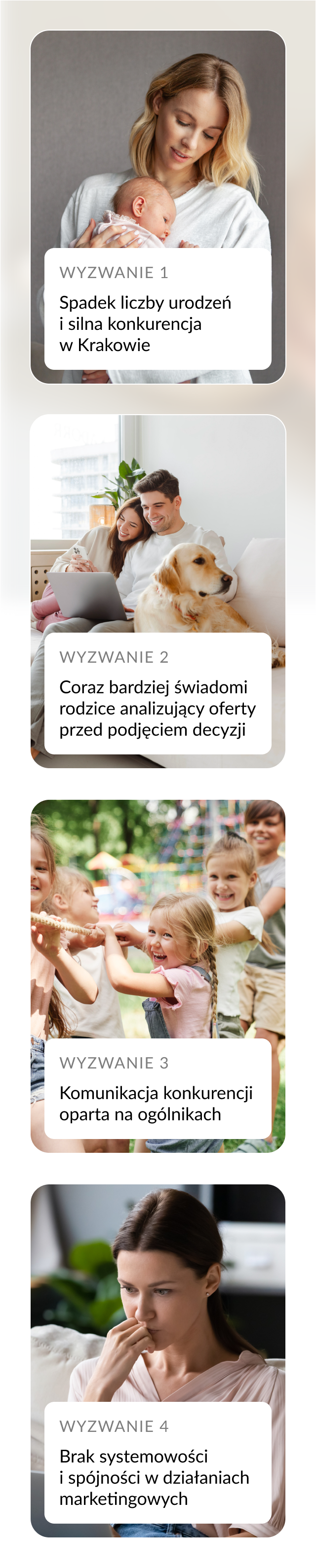
The market has changed. A falling birth rate and growing competition mean parents now make decisions far more analytically. Saying “we work with the Montessori method” is no longer enough. The question that follows is: what exactly does that look like?

At that point communication stops being an add-on. It becomes part of the decision process.
Context first, narrative second

The work started with an analysis of education trends, the competition and parent behaviour.

The conclusions were clear: the competition communicates in generalities, while parents expect transparency. They want to see the process, understand the method and get to know the staff’s approach. That is especially true of pedagogically informed families and international families, for whom knowing how Montessori actually works in Poland is essential.

Montessori Dreams has real advantages, but it lacked a coherent, organised language for them.

The strategy was there to build that structure.

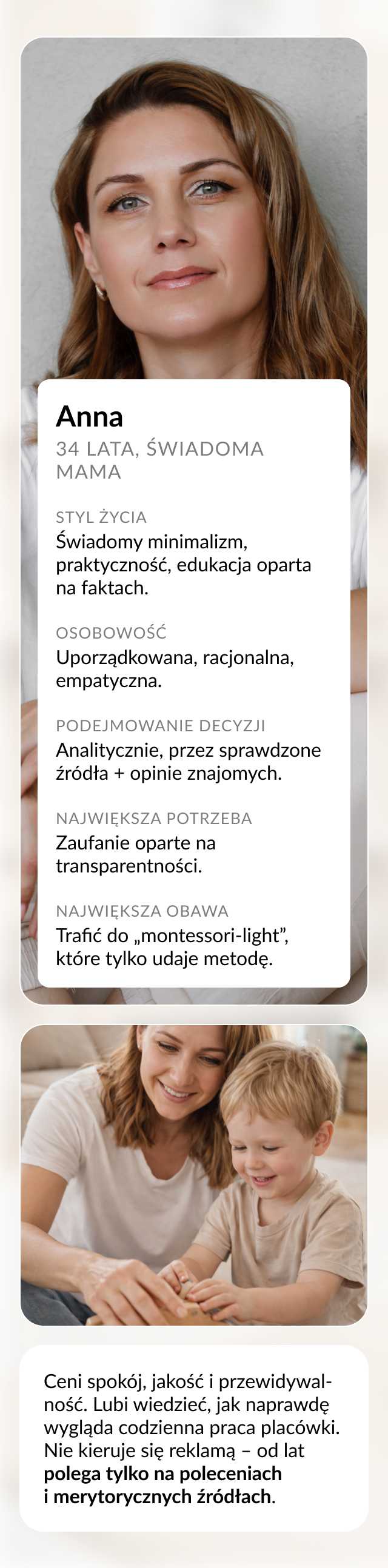
There is no such thing as “the Montessori parent”.

A mother of a toddler worried about settling in decides differently from a relationship-focused parent who has been on NVC courses, and differently again from an expat family looking for an immersion environment.

That is why the communication was designed around clearly defined segments and personas. Each group has different motivations, different barriers and different questions. The strategy had to answer those questions systematically, not by accident.

Instead of speaking to everyone, it began to shape the message for specific audiences.

Positioning that makes the decision simpler

At the centre of the strategy sits an unambiguous statement of what Montessori Dreams is – and what it is not.

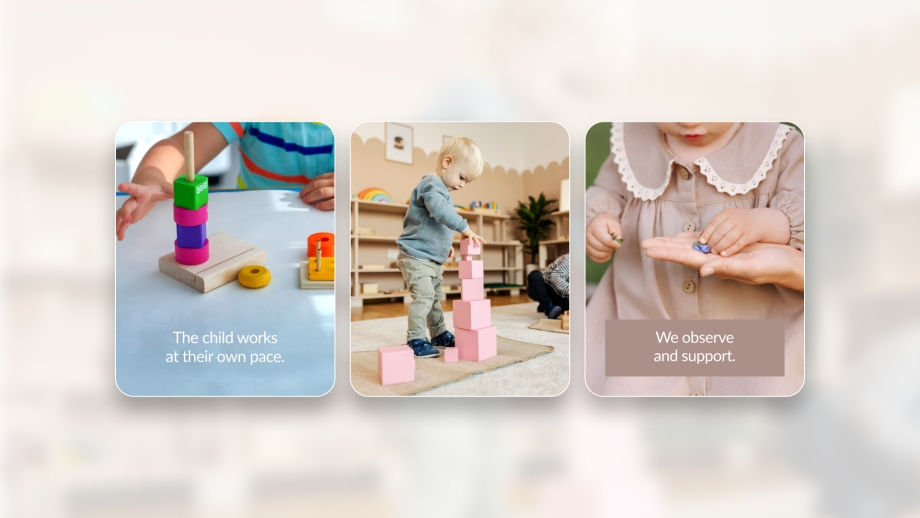
No comparisons with the competition. No sales language. Instead – showing the process transparently.

That is how the Big Idea came about:
“We follow the child – and we show what that really looks like.”

This is not a promotional line. It is a filter for the communication. If a piece of content does not show the process, it is not doing its job.

From random content to a coherent system

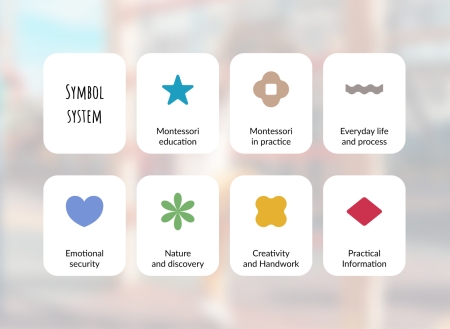
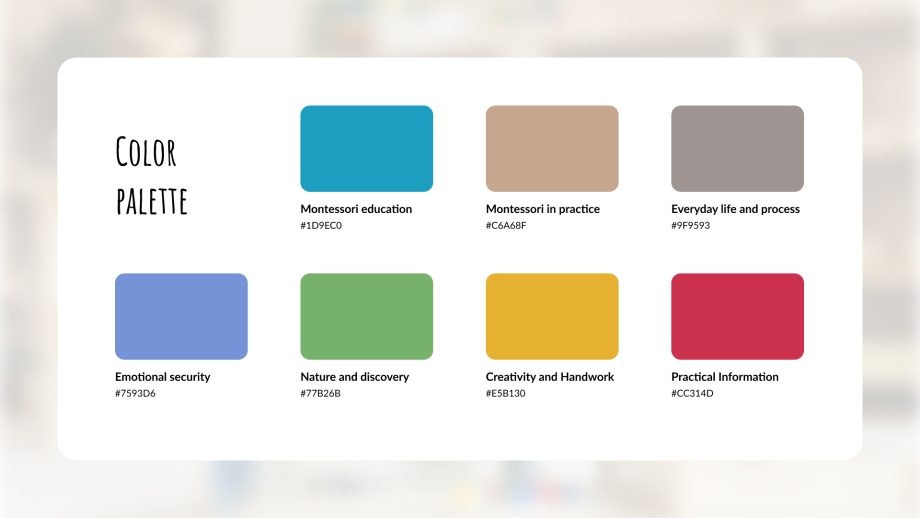
Communication up to that point had been scattered. The strategy introduced structure – seven content pillars answering different parent needs: from education about the method, through everyday practice, to emotional safety and practical information.

This is not a posting calendar. It is a communication map.

Each pillar has its own job: to build trust, to educate, to explain the process, to support admissions conversations and to strengthen word-of-mouth marketing.

Consistency that builds credibility

The strategy covered not only content, but language and aesthetics too.

  • A tone of voice built on specifics rather than generalities.
  • Bilingual communication.
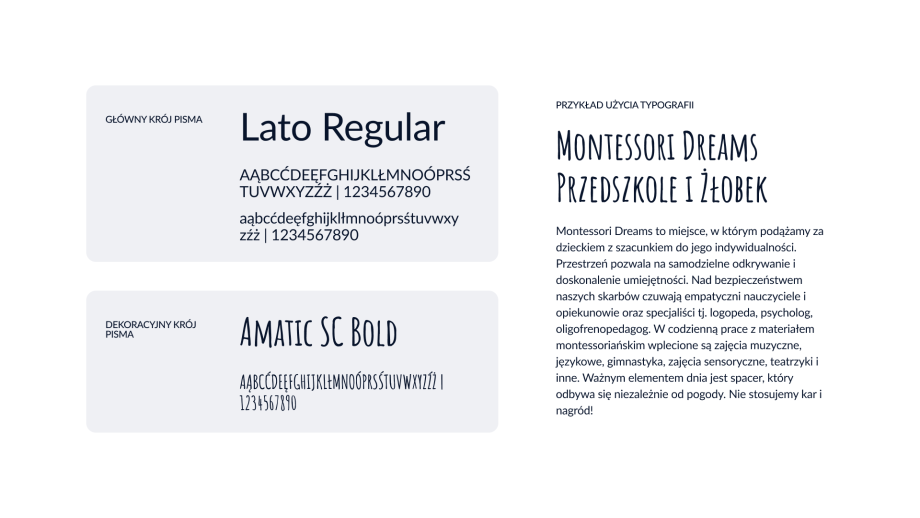
  • A visual system built on light, order and process.
  • No stock photography and no excess of visual noise.

The premise was simple: a parent should recognise the brand by its style of communication – before they even see the logo.

A direction, not a campaign

The strategy for Montessori Dreams was not designed as a seasonal promotional push. Its role is to organise communication so that it supports the admissions process all year round.

In a market where parents compare, analyse and look for evidence, communication becomes part of the decision – not an add-on to the offer.

From quality of education to quality of communication.
That is precisely the direction the Montessori Dreams strategy sets out.

Tlo 1

Let’s talk
about your project

Make an appointment for a free consultation
and let’s see how we can help you.